
Talks & Events

Event: March, 5, 2026

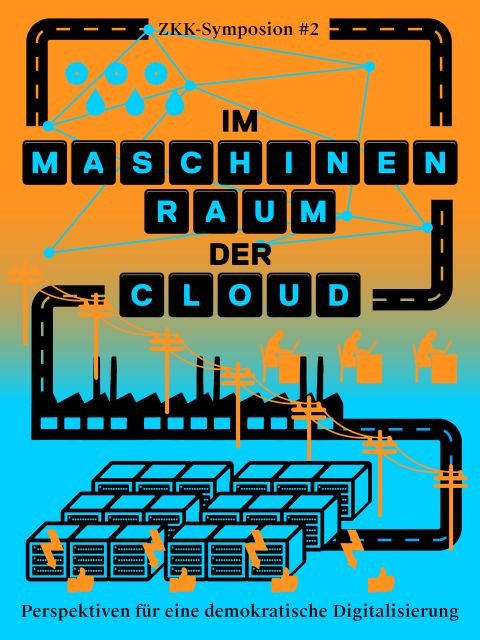
collapse: data.models.worlds (Athens)

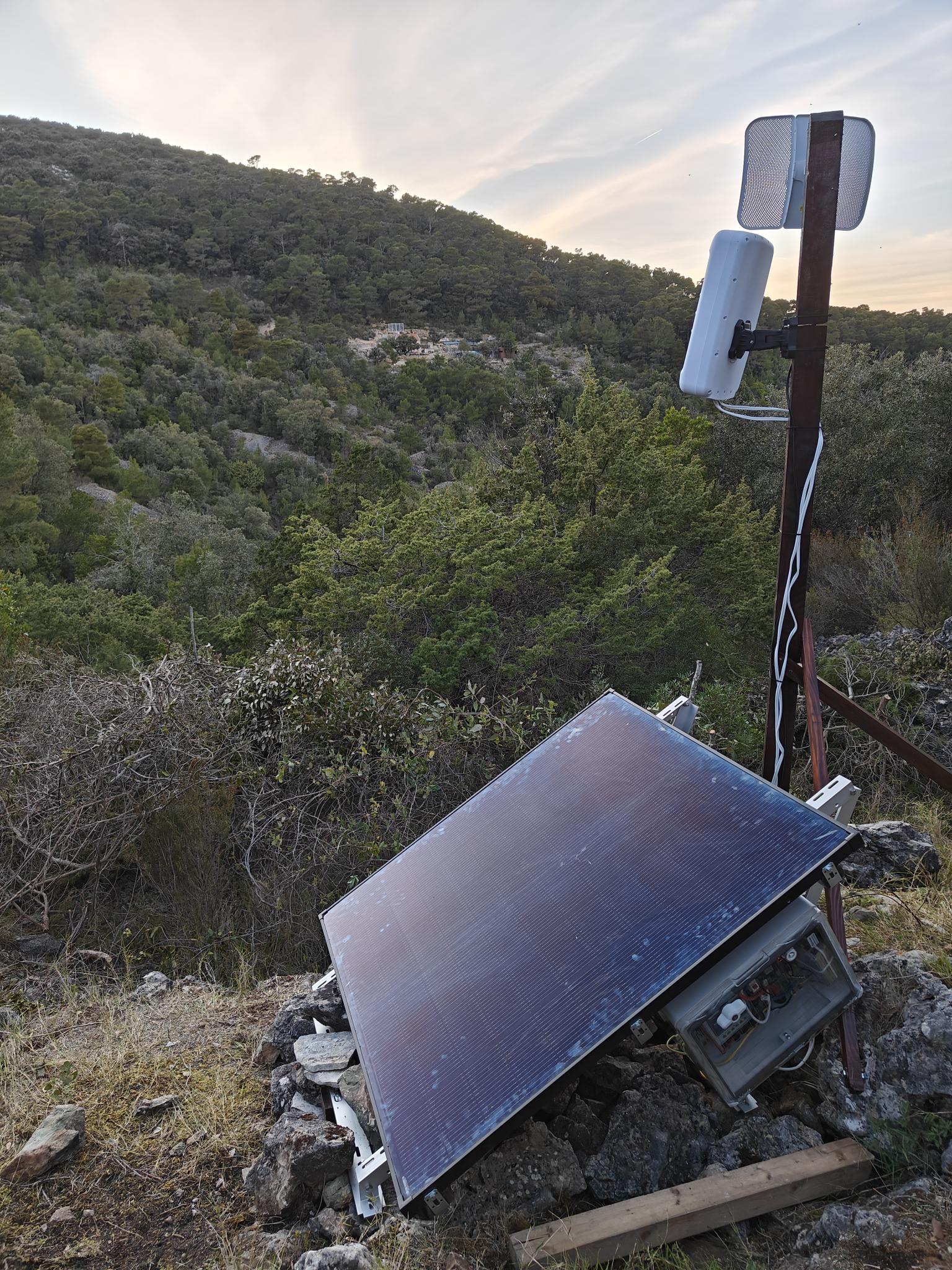
The exhibition collapse: data.models.worlds. addresses the intensifying state of crisis shaping the contemporary world, examining the role of technology within it. Happy to have Infrastructure of a Migratory Bird included.
Event: October 3, 2025

React & Respond (Zurich)

International conference on image cultures under platform capitalism, at Cabaret Voltaire Zurich. Felix Stalder on panel ‘Patterns of Automation’ with Ranjodh Singh Dhaliwal and Tiziana Terranova.

Books

Articles

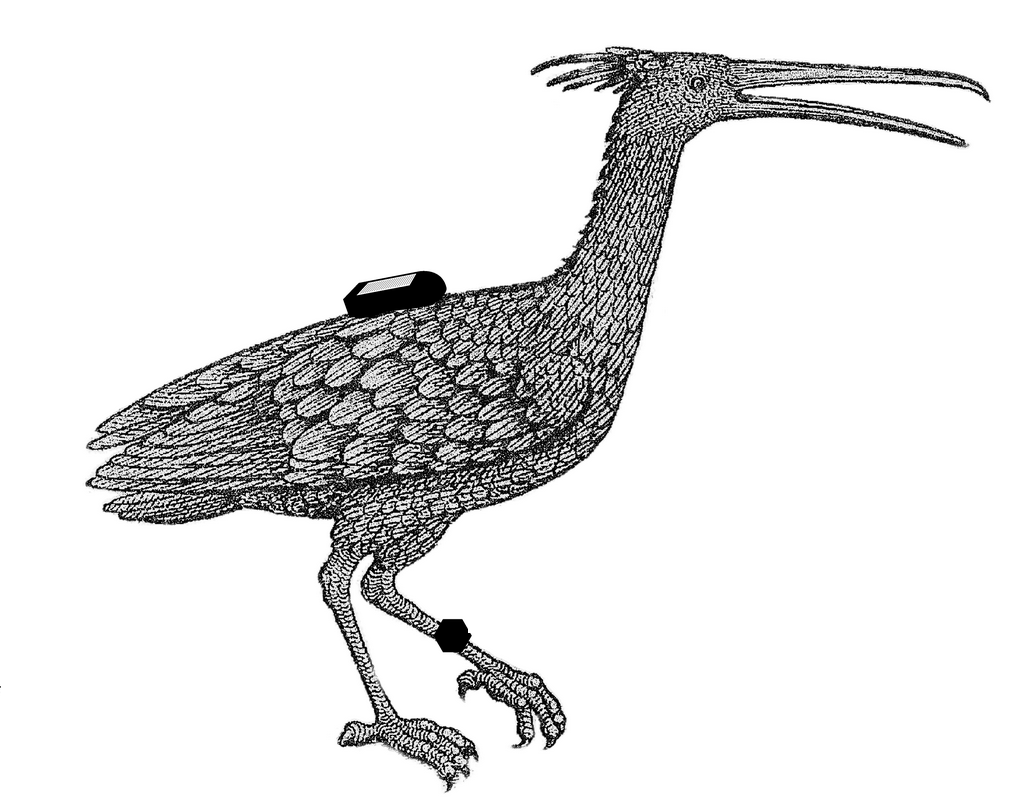
From Environments to Infrastructures of Survival: The Case of the Northern Bald Ibis.

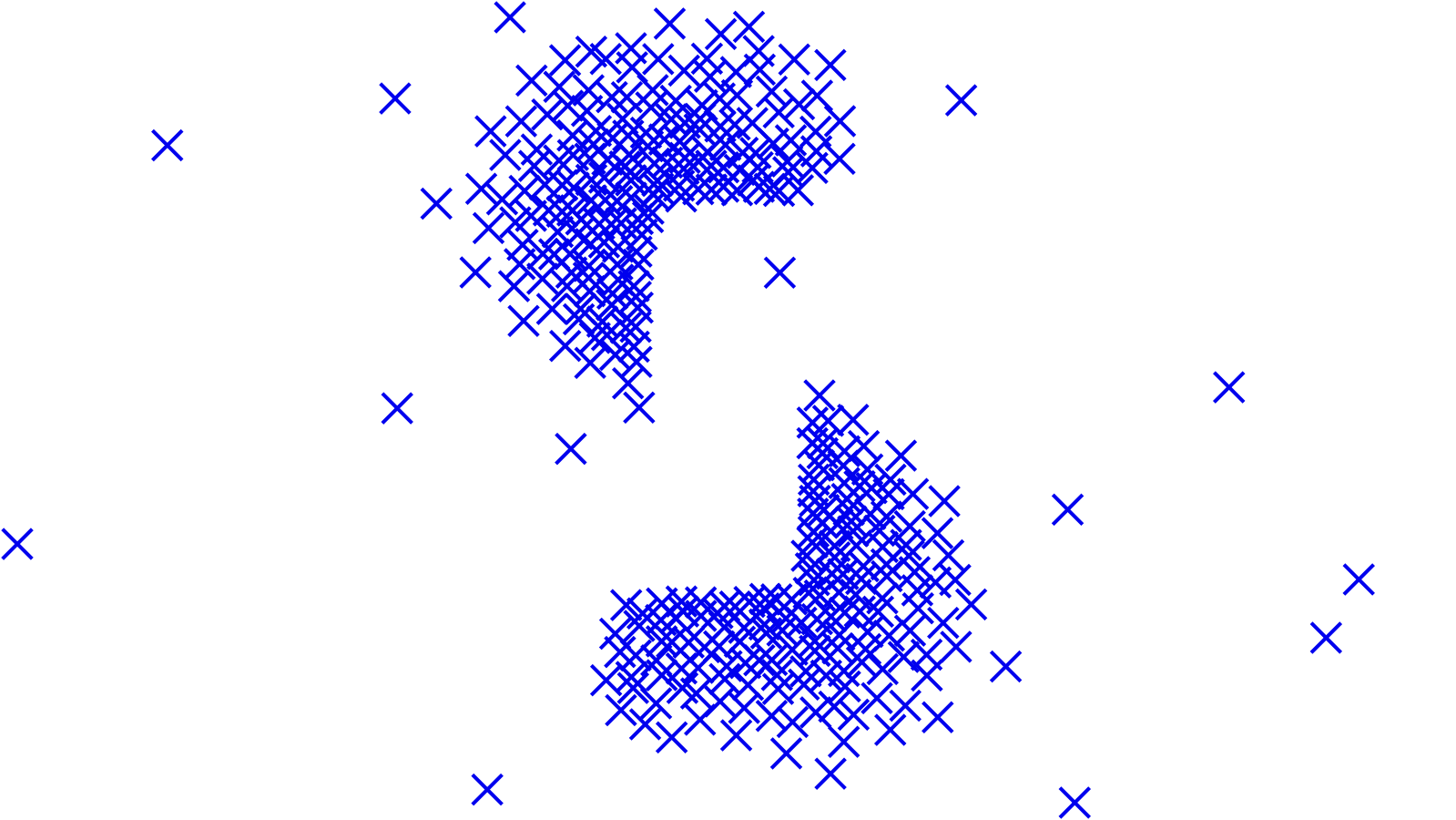
We use an interdisciplinary perspective, combining visual arts, media studies, and geography, to make visible how the notion of environments folds into the concept of infrastructure through their analogous functions as dynamic, relational spaces that contain and are contained by. Critical mapping provided an important tool to bring together the complexity that is normally separated into the concepts of infrastructure and environment. Published in Geohumanities.

Immersion. Between simulation and re-entanglement

Immersion in the arts is often associated with complex, cutting-edge technology. However, this technology-focused view limits our understanding of immersion. Immersion should be seen as the normal state of perception, while non-immersion is a historically and culturally specific mode created by old media. in: Widok. Theories and Practices of Visual Culture. #38

Das Generative der Künstlichen Intelligenz

Gene­rierte Bilder sind keine Reprä­sen­ta­tion einer externen Welt, sondern Varia­tionen von Mustern in Daten, zusam­men­ge­fügt zu etwas, das es so vorher noch nicht gab. Damit ist ihr Gehalt nicht analytisch-empirisch (wahr/falsch), sondern ästhetisch-normativ zu bestimmen. Wir müssen uns fragen, ob wir sie, und wie Welt die sie als möglich erklären, gut oder schlecht finden.

Data Colonialism and Data Commons

This is a revised version of my presentation at the New Alphabet School#3 Coding  at Goethe-Institut Max Mueller Bhavan, New Delhi on January 16, 2020. Originally published at the New Aphabet’s website .

This image was shared by Marc Zuckerberg. It shows him walking to the stage to talk about VR at the Mobile World Congress in Barcelona (21.02.2016)

I want to start with a qualification and a question. What follows is informed by my own provincial European, even Western-European experience. Of course, the social and cultural consequences of global IT are highly differentiated across geographic areas, and within them along economic, gender and racial dimensions. However, there are fundamental technological dynamics that are shared across these differences, not least because technology itself, machinery and industry, is highly globalized. More importantly, it might be precisely the experience of being provincial in a new geography and topology of power that could open-up new alliances.

Projects & Collaborations

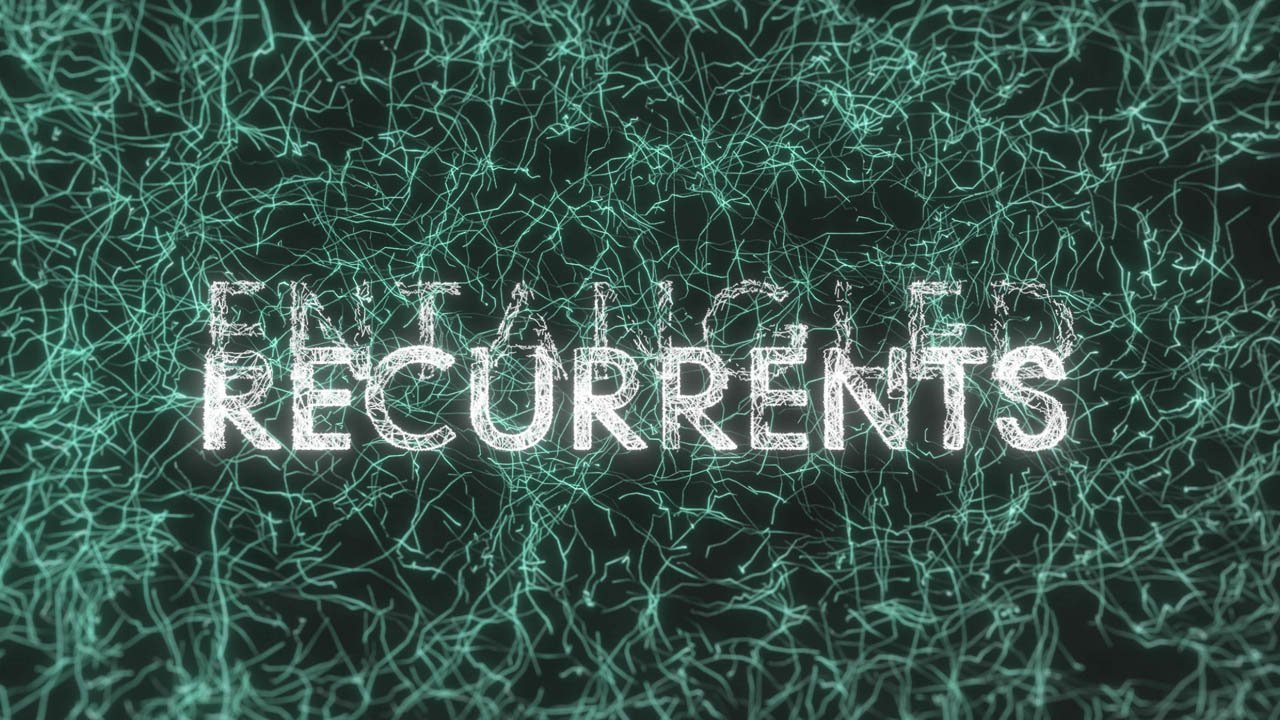
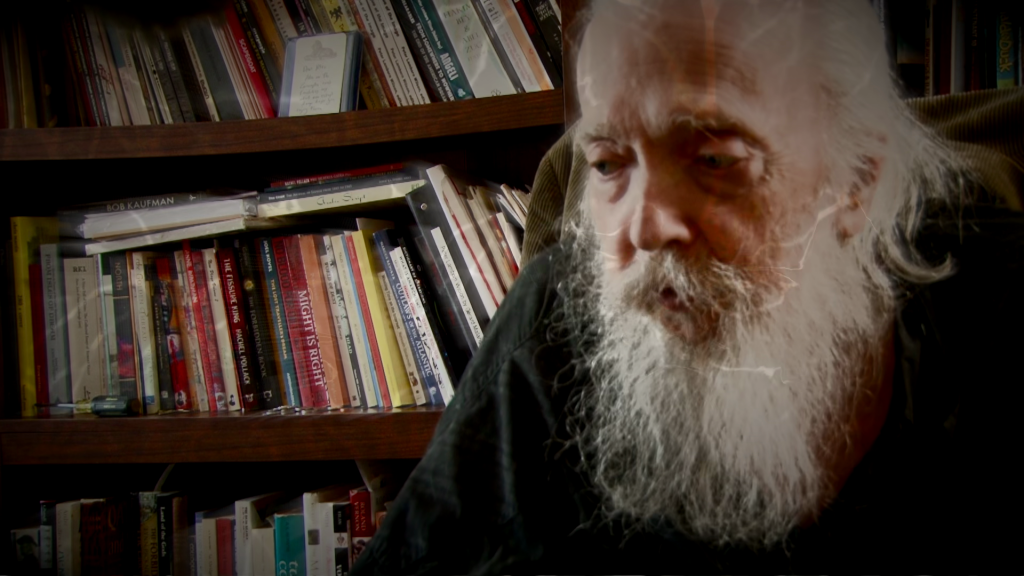
Entangled Recurrents (Video)

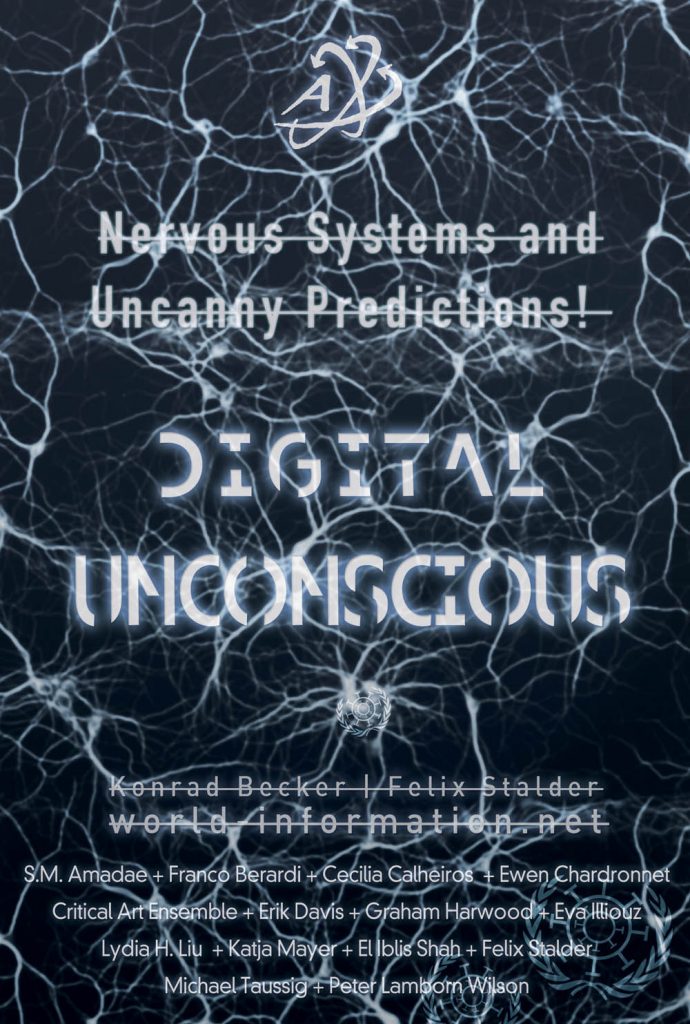
Digital communication forces us to look not only at technical protocols but also at protocols of the human mind and nervous system. Over the last 30 years, artists, researchers, and activists, brought together by the Institute of New Cultural Technologies in Vienna, have explored alternative histories of media and the emergent digital (un)consciousness. A collaboration with Konrad Becker.

TLDR.nettime

Nettime is a autonomous community of artists, technologists, researcher and activists, engaged in a critical and practical exploration of the digital culture, as the culture of the present. Since 1995 as an email list, since 2022 as a node in the fediverse. A collaboration with many, many people.

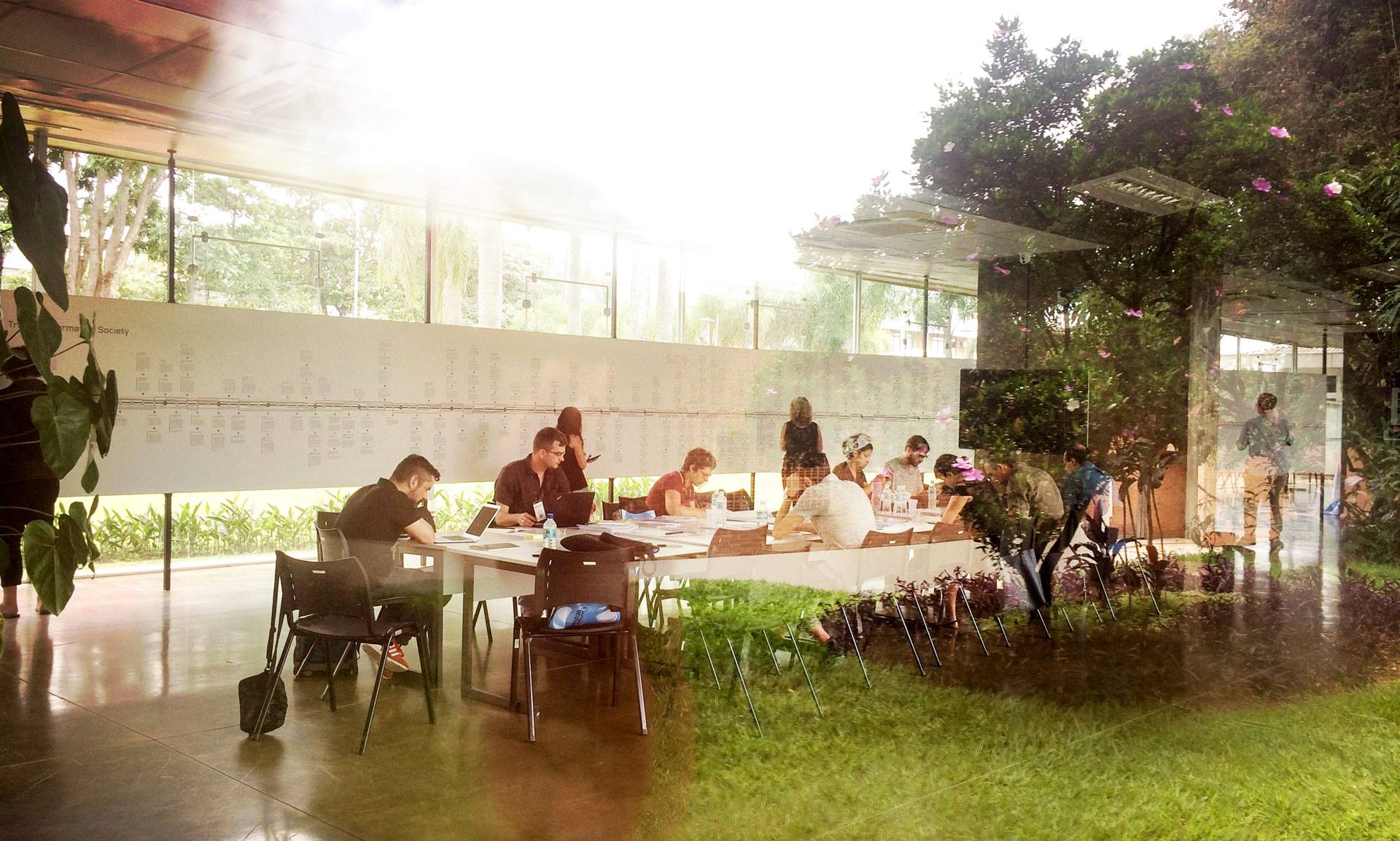
Technopolitics Timeline (visual art work)

The project consists of a visual timeline, spanning some 120 years in the development of the Information Society. We chose this deliberately vague and unfashionable term because it leaves on opening to be filled collectively, workshop and editing sessions. A collaboration as part of the Technopolitics group.

Creating Commons (research project)

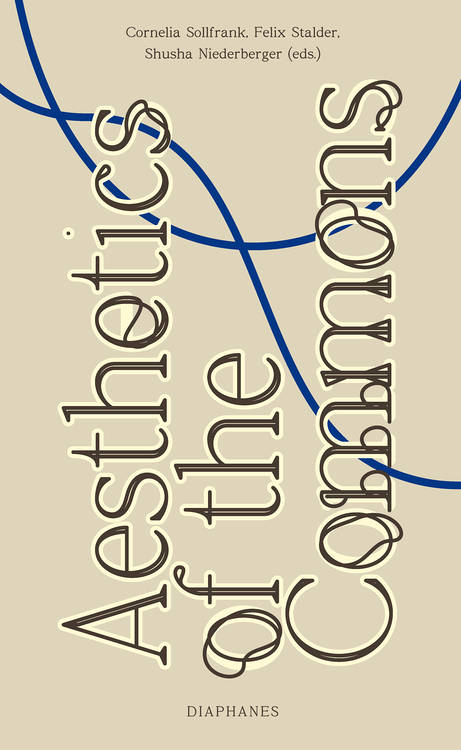
Creating Commons is a research project conducted as collaboration with Cornelia Sollfrank and Shusha Niederberger between early 2017 and late 2020. It focused artistic projects with a “double character”. On the one hand they all act discursively-symbolically, on the other hand infrastructurally-functionally. They theorize and practice the commons in unique ways.

Mastodon Feed