

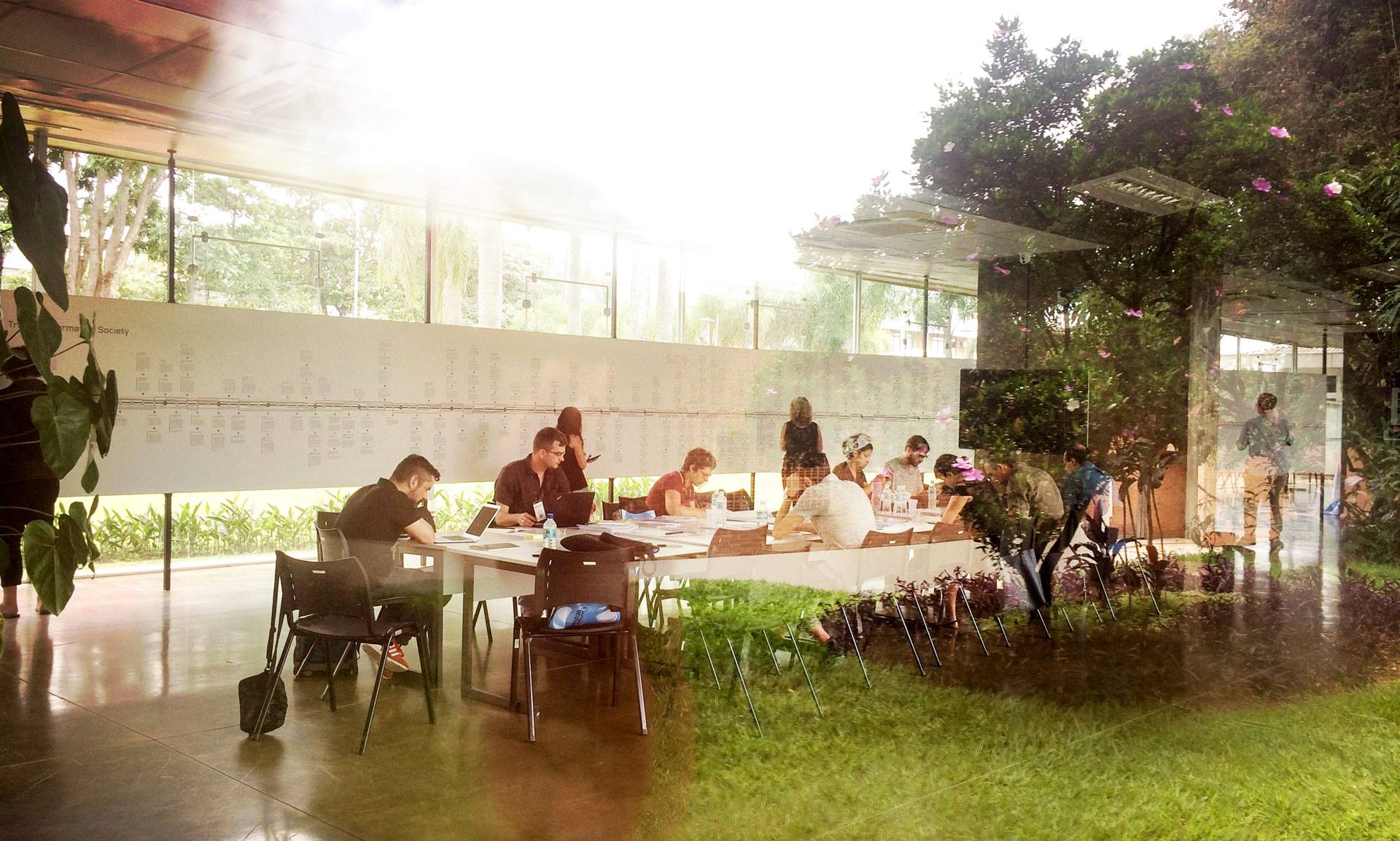
 @USP Sao Carlos, Brazil, 2018
A Curated Knowledge Space, by Technopolitics Working Group, Vienna
The project consists of a visual timeline, spanning some 120 years in the development of the Information Society. We chose this deliberately vague and unfashionable term because it leaves on opening to be filled collectively.
The graphic representation of the entire timeline is the most prominent visual aspect of the project. In its most recent version, it contains some 500 entries in six horizontal categories and 12 vertical tags and it measures 22 x 1.5 meters.
The format has been chosen to allow a view of the entire timeline at once, which is both overwhelming in its dimensions and surprisingly coherent visually. This immediately opens to the central question of the project: What are the upsides and the downsides of providing an comprehensive framework to represent large-scale historical developments? How is each of us situated within it?
While the first impression of the printed timeline encompasses a timeframe of nearly 120 years, the actual interaction happens when people draw nearer and thus move from a seemingly totalizing overview to details and facts: People start pointing, gesturing, talking by developing and discussing individual narrative threads.
We noticed that many people start their exploration of the timeline — which, despite its linear chronological order, is never read linearly — with their own year of birth. While we did not plan for this, we think it’s the perfect starting point, since it immediately raises the question of the relationship between different scales: the micro-scale on which we live out our singular lifes, and the macro-scale of historical transformation.
History is never settled
It is important to us that such questions, which need to be debated and cannot be settled, are raised in a physical space in the copresence of other people. It is the main value of the timeline that it generates questions and debates on the spot.
Hence the exhibition of the timeline always includes a workshop where participants are invited to change entries, add new one that are important to their experience, and take out those that seem redundant or irrelevant. Thus, over time, the timeline does not represent some sort of historical thruth, but a shifting collective understanding that holds the traces of the context in which is was worked over.
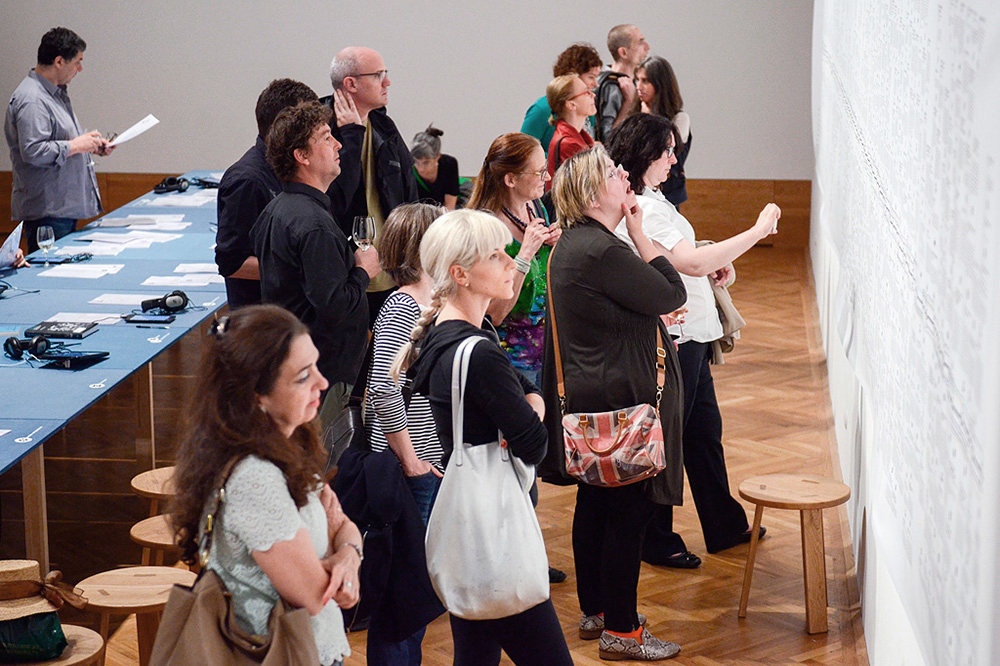 @MAK Vienna, 2016
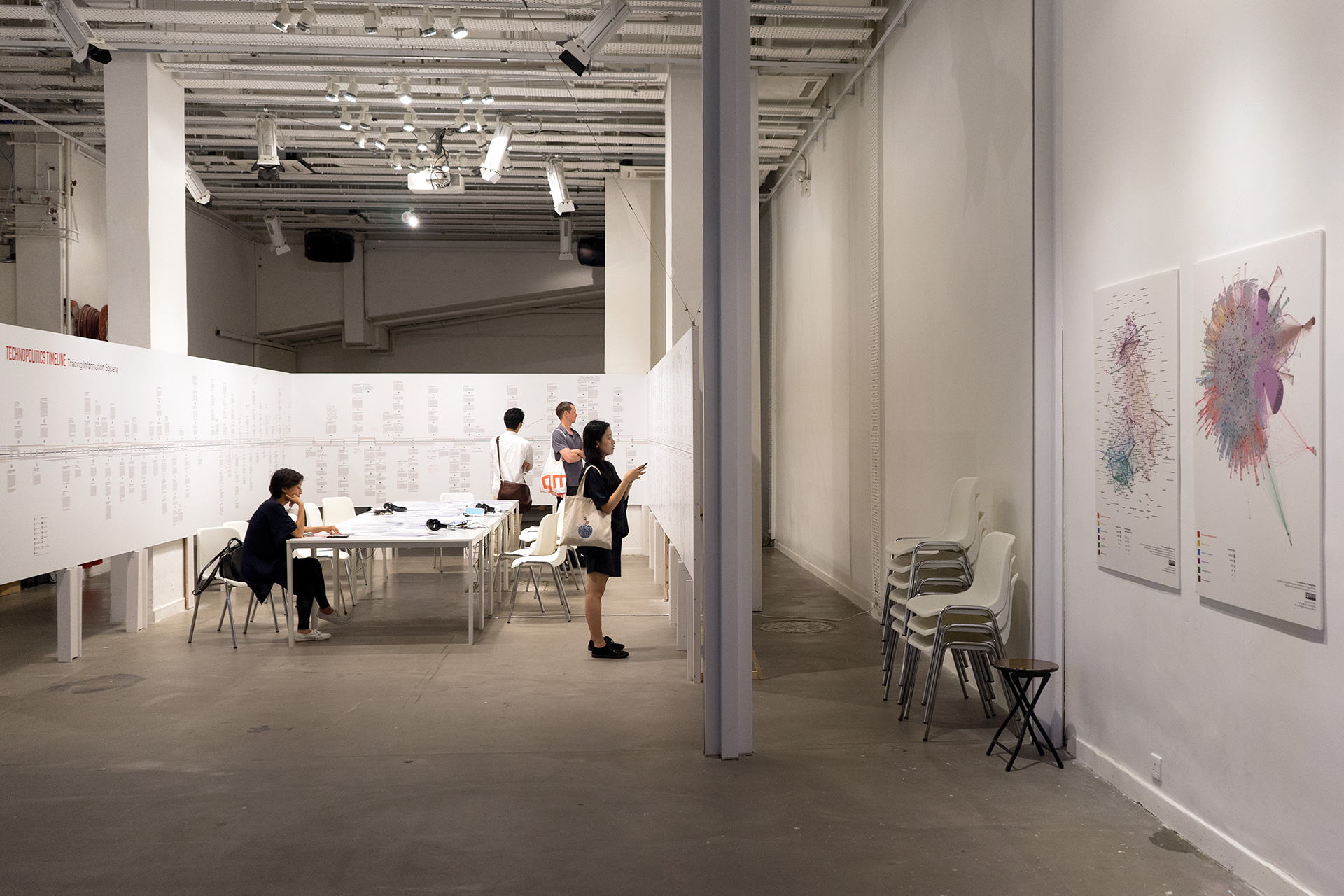 @Connecting Space, HongKong, 2017
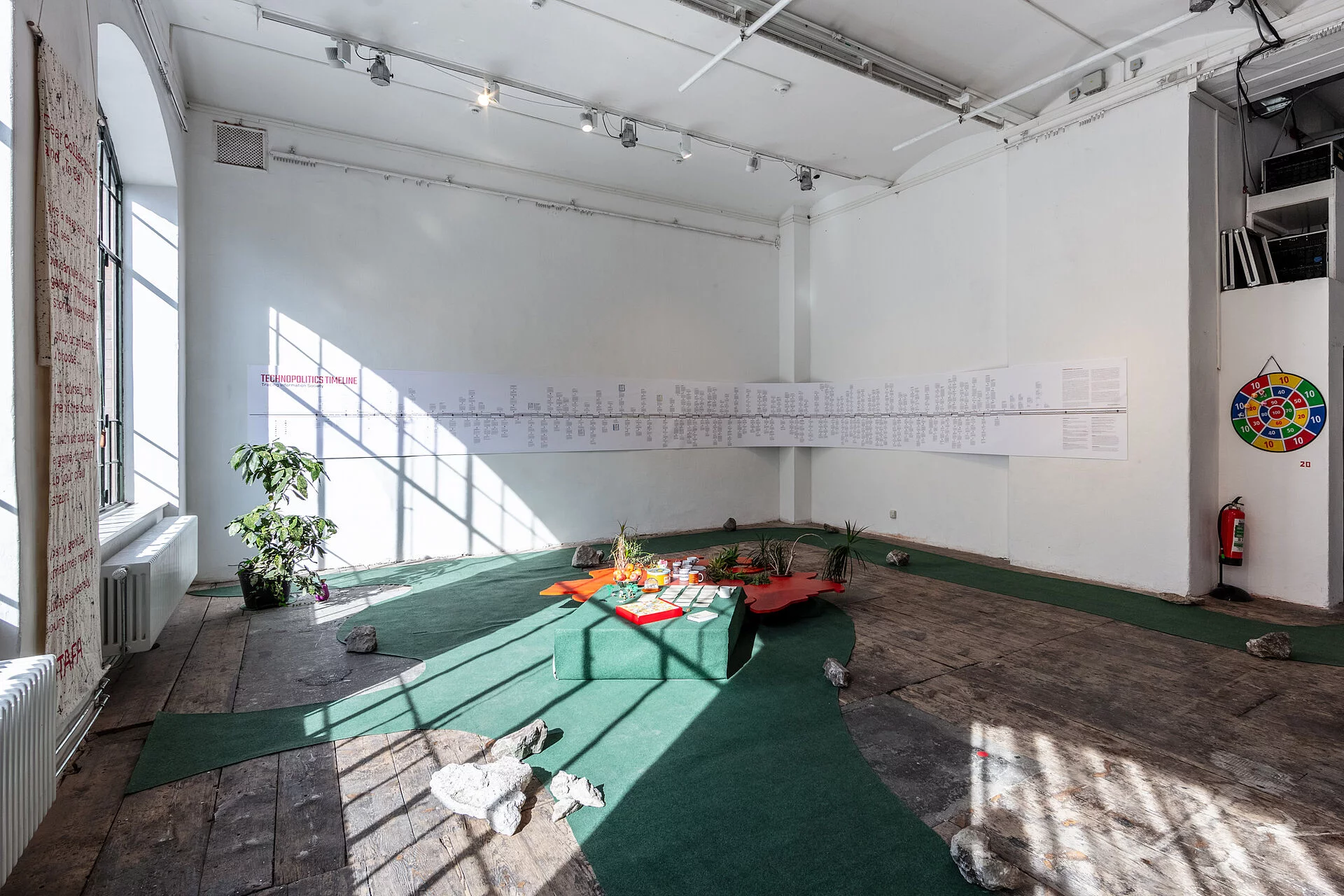 @Kunsthalle Exnergasse, open floor. practice of a common ground
Vienna 2023
@Kunsthalle Exnergasse, open floor. practice of a common ground
Vienna 2023